Muscat's heat is part of the deal for most of the year, which is exactly why so many visitors add a trip up to Jebel Akhdar — the "Green Mountain" — to their itinerary. Roughly two hours' drive from the capital, the plateau sits high enough in the Al Hajar range that the air noticeably cools, and the landscape shifts from coastal desert to stone-terraced orchards clinging to the mountainside. For travelers who picture Oman as sand and sea, Jebel Akhdar tends to be the biggest surprise of the trip.
What makes Jebel Akhdar different from the rest of Oman?
The elevation changes everything. Villages like Al Ayn and Al Aqor are built into old stone terraces that farmers still use to grow pomegranates, walnuts, apricots, and roses, watered by a falaj irrigation system that channels water down the mountainside between plots. The terraces themselves are the main visual draw — narrow stone walls stepping down the slope in a way that looks almost architectural from a distance, with walking paths between villages that give a much closer look at how the whole system works.
Do you need a 4x4 to visit Jebel Akhdar?
Yes — the road up the mountain includes a checkpoint that requires a four-wheel-drive vehicle, and standard rental sedans typically aren't permitted past it. Most visitors either rent a 4x4 for the day or book a driver who already has one, which also takes the mountain driving itself off your plate, since the upper road has some steep, winding sections. A number of hotels and lodges on the plateau offer transfers as well if you're staying overnight rather than doing it as a day trip.
When is the best time of year to visit Jebel Akhdar?
The mountain is genuinely pleasant to visit year-round, but it earns its reputation most in summer, when temperatures on the plateau stay noticeably lower than the coast — part of why it's become such a popular escape from Muscat's peak heat months. Spring tends to bring out the greenest look in the terraces, and the roses grown in parts of the region are associated with a well-known rose water tradition, though the harvest is a seasonal window rather than a year-round thing, so it's worth checking current timing if that's specifically what draws you up there.
How much time should you plan for a visit?
A day trip from Muscat is workable but tight, given the two-hour drive each way plus a checkpoint stop, so most travelers who make the trip find that an overnight stay — even just one night — gives a much less rushed experience. It allows time to walk between two or three of the villages rather than just the closest one, and mornings on the plateau tend to be clearer and cooler than the afternoon, which is worth being there for if photography is part of the plan.
Walking the terraces and villages
The paths connecting villages like Al Ayn and Al Aqor follow old routes that farmers still use, stepping down through the orchard terraces with views out over the canyon below. Comfortable walking shoes make a real difference here — the paths are stone and can be uneven — and mornings or late afternoons are more comfortable underfoot than the middle of the day, even at altitude. None of the walking is technical or requires special fitness, but it's worth pacing yourself rather than trying to see every village in one pass.
Bringing the mountain trip back down to the coast
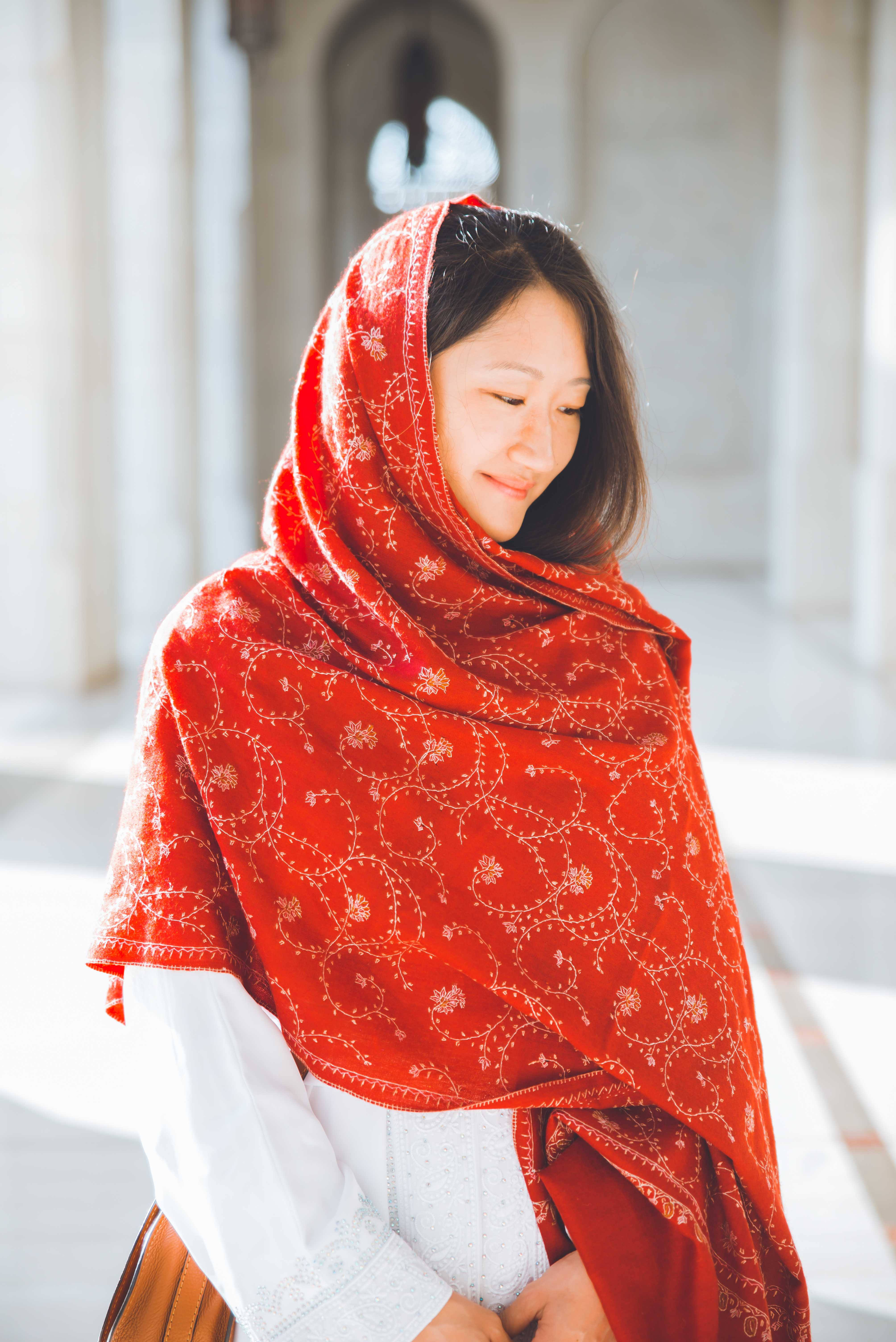
After a day or two in the cool of the mountains, most itineraries loop back through Muscat before flying out, and it's worth building in time for the city's own standout location: Muttrah, the old harbour and souq that sits at the opposite end of the landscape spectrum from Jebel Akhdar. Where the mountain gives you stone terraces and orchard greens, Muttrah gives you wooden dhows on the water, a corniche that turns gold at sunset, and covered souq alleys with a genuine sense of history. I've photographed a number of visitors doing exactly this pairing — mountain shots one day, harbour and souq portraits a couple of days later — and the contrast between the two sets is part of what makes it such a satisfying way to close out an Oman trip. For more on what makes the location work well for portraits, Muttrah Souq & Corniche: A Photographer's Guide to Old Muscat covers the corniche and souq timing in more depth.
Practical notes for packing
Layers are worth packing regardless of season — Jebel Akhdar runs noticeably cooler than Muscat, especially in the evening, and the difference can catch visitors off guard if they've packed only for coastal heat. Water and sun protection still matter during the day, since the elevation doesn't remove the sun's intensity, just the humidity. Beyond that, there isn't much specialist gear needed; it's a comfortable, well-signed area to visit independently or with a driver, and most of the villages have small cafés or rest stops along the main walking routes.
Planning your session
If a mountain day trip is part of your Oman itinerary, it pairs naturally with a golden hour session back at Muttrah once you're back in the city. Message on WhatsApp and we can work out timing around your travel dates — see packages and pricing for what a Muttrah session typically includes.
Ready to book your Muscat session?
Message on WhatsApp for availability during the September–January season.
Message on WhatsAppOr call/text +968 9584 2090 directly