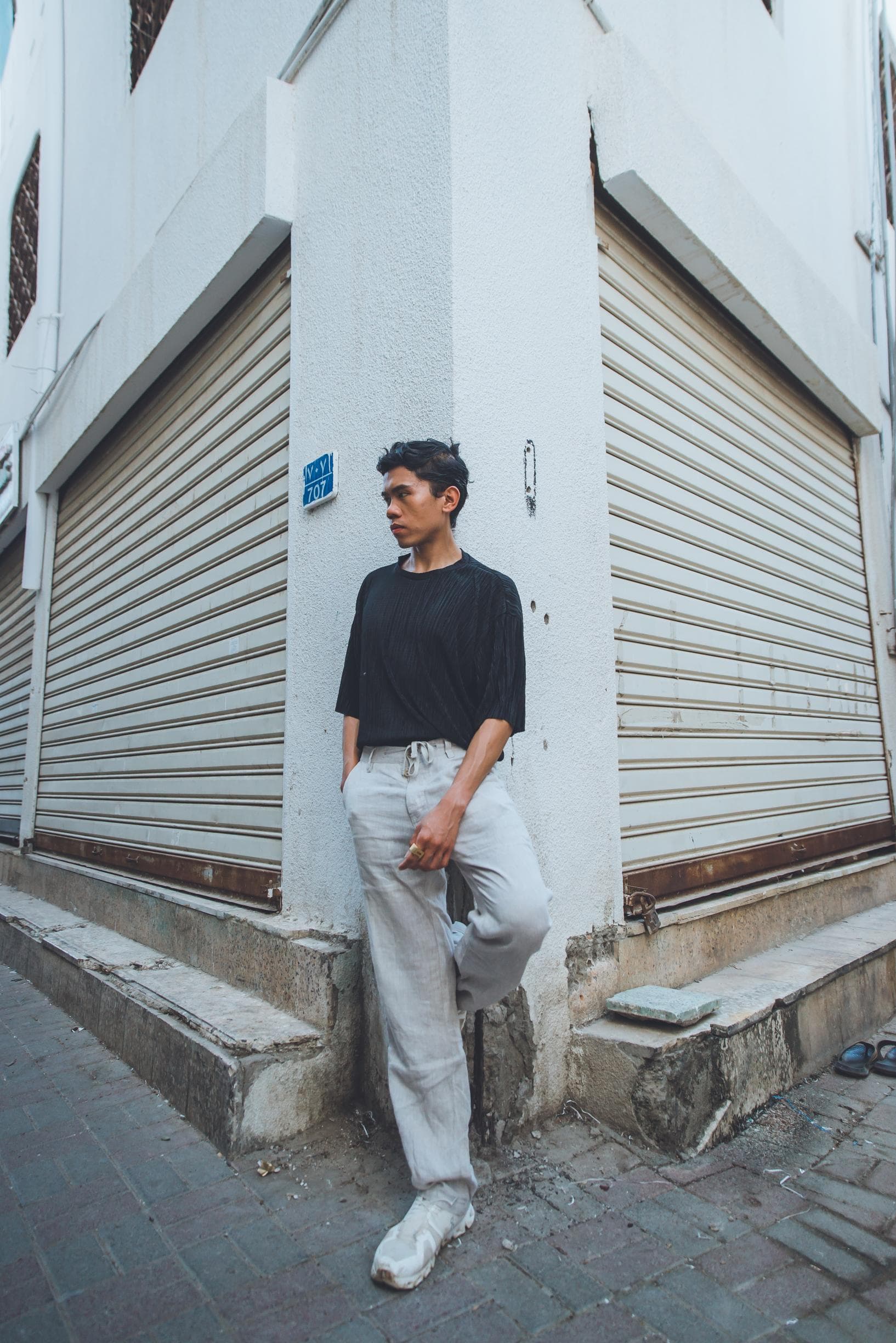
Bimmah Sinkhole is all open sky, pale limestone, and green-blue water. Muttrah is the opposite: lantern-lit alleys, the smell of frankincense, and a working harbour. Put them in the same day and each one makes the other feel better. The sinkhole gives you a swim and some fresh air; Muttrah gives you somewhere easy and atmospheric to wind down while the day cools off.
Does Bimmah Sinkhole fit into a day with Muttrah?
Yes, for most visitors it works well as long as you treat the sinkhole as a morning stop and Muttrah as the evening one. The drive from Muscat to the sinkhole is typically a bit over an hour each way, so the day is mostly about not rushing the middle. An early start lets you swim before the car park fills up, and a mid-afternoon departure puts you back in Muscat with time to rest and change before heading to the corniche.
If you want the practical details on the sinkhole itself, including what to bring and how visits usually go, see Bimmah Sinkhole: What to Know Before You Go.
How should you pace the day?
Think of it in three loose blocks rather than a timetable:
- Morning: drive out early, swim, and take your time. The water is a big part of the appeal, so don't plan to be in and out in ten minutes.
- Afternoon: head back, shower, eat, and rest. This is the block people skip and then regret. A break makes the evening far more enjoyable.
- Evening: arrive at the corniche as the light softens, walk the waterfront, then move into the souq once it gets darker.
Traffic and heat both vary by season, so most visitors find it helpful to keep the evening flexible. If you are running late, the corniche is still pleasant after dark and the market stays lively into the night.
What is there to see at Muttrah in the evening?
The corniche is a long waterfront promenade with moored boats in front and the old town and rocky hills behind. Golden hour tends to be the most flattering time to be there, with warm light on the harbour and the watchtowers above the town.
The souq is a short walk away and feels completely different: narrow covered alleys, stalls selling textiles, silver, incense, and spices, and plenty of filtered light and shadow. Wandering without a plan usually works best. If someone offers you coffee or dates, it is generally a sincere gesture of hospitality. As always, dress respectfully and ask before taking close-up photos of people.
For a deeper look at the area, see Muttrah Souq & Corniche: A Photographer's Guide to Old Muscat.
What should you wear for both stops?
Plan two outfits. For the sinkhole, wear swimwear under quick-drying layers and bring a towel and sandals or water shoes. For Muttrah, pack something light and modest with covered shoulders and knees, which is the comfortable default in the souq. Neutral or earthy tones sit nicely against the stone and water. A light scarf is handy if you want an extra layer once the sun goes down, and comfortable closed shoes are kinder on uneven paving than sandals.
Where does a portrait session fit?
If you would like a proper set of photos from the trip rather than only phone snaps at the water's edge, the evening is the natural slot. Muttrah is one of the places I photograph most often, and a short session timed to the corniche's golden hour, followed by a slow walk through the souq, gives you both open harbour light and textured alley frames in a single outing.
Because it follows a full day, keep it simple: about an hour, one outfit change at most, and no pressure to rush. Many couples and families tell me the relaxed mood after a morning swim shows up in the pictures, which is the whole point.
Planning your day
If you are building a Bimmah-to-Muttrah day and want an evening session at the end, message me on WhatsApp at +968 9584 2090 with your dates and rough timings, and I will help you find a slot that suits the light and your pace. You can also see packages and pricing before you decide.
Ready to book your Muscat session?
Message on WhatsApp for availability during the September–January season.
Message on WhatsAppOr call/text +968 9584 2090 directly